Digital vs. Physical Calendars: Which Is Right for You?
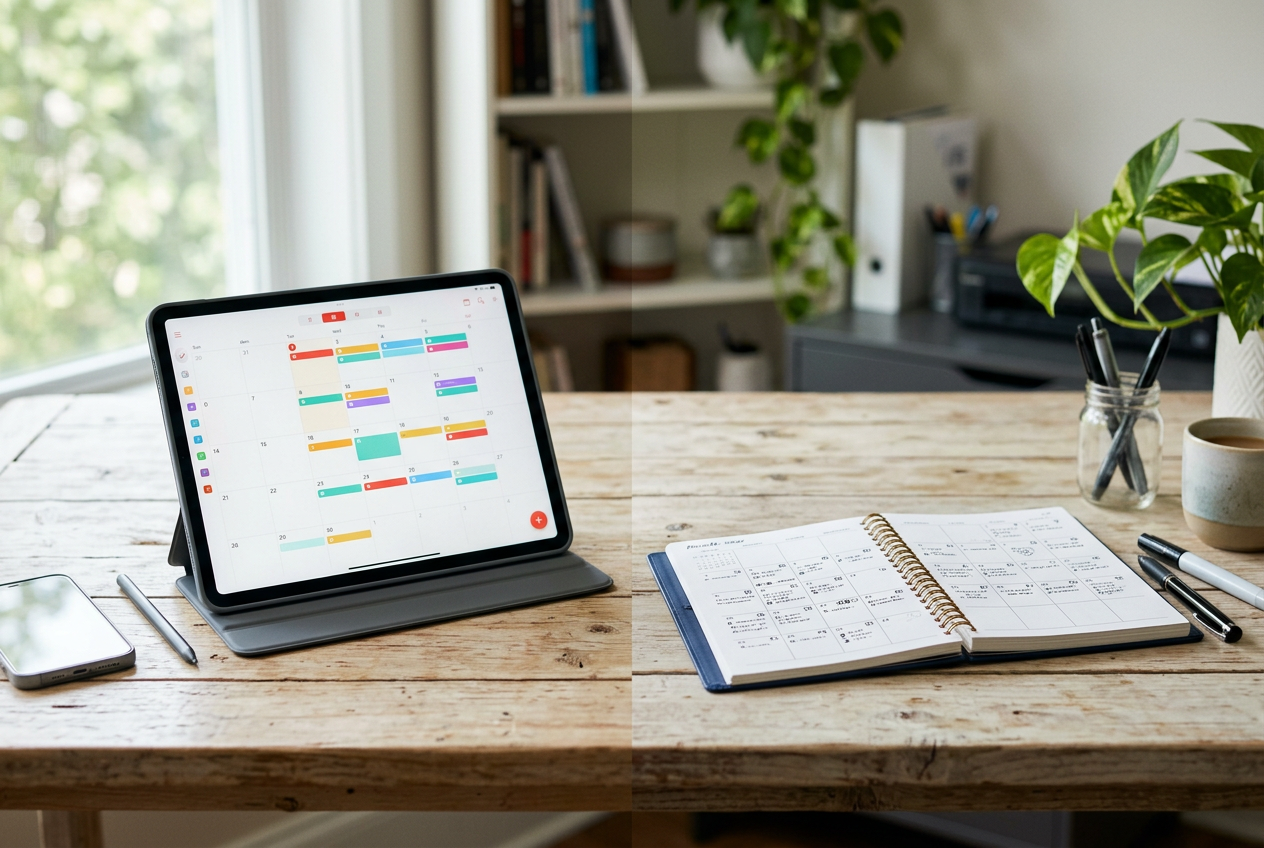
The Evolution of Time Management: Digital and Physical Approaches
Remember the last time you crossed off a day on a wall calendar, feeling that satisfying anticipation build as your big event drew closer? Or maybe you're someone who lives by smartphone notifications, trusting your devices to keep you on track. The question of whether to choose digital or physical countdown calendars isn't just about preference — it's about understanding how your brain processes anticipation and how you actually live your life.
I've spent years experimenting with both approaches, and here's what I've discovered: there's no universal right answer. Some people thrive with the tactile ritual of marking days on paper. Others need the flexibility of synced digital tools that travel with them everywhere. And plenty of folks, myself included, have found that the sweet spot lies somewhere in between.
What makes this choice particularly interesting is how it connects to deeper questions about memory, motivation, and the psychology of waiting. Whether you're counting down to a wedding, tracking days until a family vacation, or building excitement for a holiday celebration, the format you choose shapes the entire experience. Your countdown method becomes part of the anticipation itself — either a daily ritual that grounds you or a background system that keeps you informed without demanding attention.
Benefits of Digital Calendars for High-Efficiency Planning
Digital countdown tools have transformed how we track upcoming events, offering capabilities that paper simply can't match. For anyone juggling multiple commitments or coordinating with others, these advantages often prove decisive.
Cross-Device Syncing and Real-Time Accessibility
The ability to access your countdown from anywhere fundamentally changes how you interact with it. Check your phone during lunch, glance at your tablet before bed, or pull up your laptop at work — your countdown stays consistent across all devices. This accessibility matters most when you're sharing anticipation with others. A couple planning a destination wedding can both watch the same countdown tick down, even when they're in different cities. Tools like Countdown Calendar make this kind of shared experience effortless.
Automated Reminders and Recurring Events
Set it and forget it — that's the real power of digital reminders. You can configure notifications for specific milestones (30 days out, one week remaining, tomorrow!) without any ongoing effort. For recurring events like anniversaries or annual traditions, this automation ensures you never miss the buildup. The mental load of remembering to check your countdown disappears entirely.
Seamless Integration with Email and Project Tools
Digital calendars play nicely with the other tools in your life. Sync your countdown with Google Calendar, embed a widget on your blog, or share updates through your favorite messaging app. Event organizers particularly benefit here: embedding a countdown widget on a website builds community excitement without requiring visitors to track dates themselves.
The Cognitive and Creative Power of Physical Calendars
Despite all the digital convenience available, physical calendars maintain a devoted following — and for good reason. The benefits extend beyond nostalgia into genuine cognitive advantages.
Improved Memory Retention Through Handwriting
Here's something fascinating: the act of writing by hand engages your brain differently than typing or tapping. Studies consistently show that handwriting improves memory retention and emotional connection to information. When you physically mark off each day on a paper countdown, you're not just tracking time — you're reinforcing your anticipation through motor memory. For kids counting down to a holiday or birthday, this tactile engagement makes the waiting period itself part of the celebration.
Reducing Screen Fatigue and Digital Distractions
Let's be honest: most of us spend too much time staring at screens. A physical calendar offers a welcome break from the digital deluge. There's no risk of getting sucked into email when you glance at a wall calendar. No notification rabbit holes. Just a simple visual reminder of what you're looking forward to. For families trying to reduce screen time, a shared paper countdown becomes a healthier focal point for daily anticipation rituals.
Visual Customization and Aesthetic Satisfaction
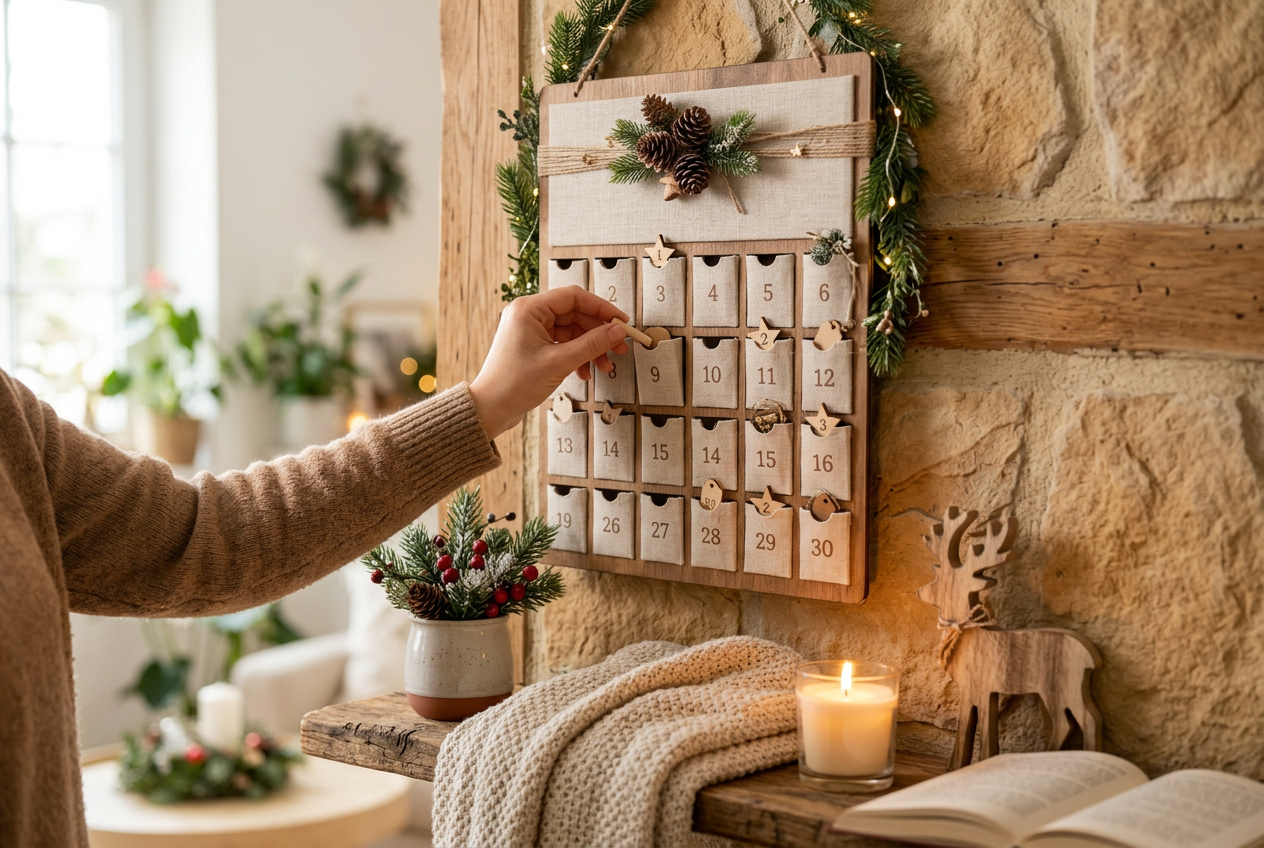
Physical calendars invite creativity in ways digital tools struggle to match. You can decorate each day with stickers, drawings, or photos. Some families create elaborate advent-style countdowns with small treats or activities hidden behind each date. The calendar becomes a craft project, a decoration, and an anticipation tool all at once. This hands-on customization creates emotional investment that a screen simply can't replicate.
Key Considerations for Choosing Your Format
Before committing to either approach, think through these practical factors that often determine which format actually works in your daily life.
Lifestyle and Mobility Requirements
Your routine should drive your choice. If you travel frequently or work across multiple locations, digital countdowns offer obvious advantages. You'll always have access, regardless of where you are. But if you spend most days in the same space — working from home, for instance — a physical calendar positioned where you'll see it naturally might serve you better. Consider too whether you're counting down alone or with others. Families with young children often find that a visible wall countdown creates shared daily moments that digital alternatives can't replicate.
Privacy Concerns and Data Security
Digital tools require some level of trust. You're sharing your event information with an app or service, even if it's just a date and description. For most personal countdowns, this presents minimal concern. But if you're tracking something sensitive — a surprise party, a confidential business launch — you might prefer the inherent privacy of a physical calendar that exists only in your space. Services that require no sign-up or account creation, like Countdown Calendar, minimize this concern by not storing personal data.
The Cost of Maintenance vs. Subscription Fees
Physical calendars require upfront purchase and replacement each year. Premium planners can cost $30–50 or more. Digital tools range from free to subscription-based, with some apps charging monthly fees for advanced features. Free options exist in both categories, but the ongoing costs differ. A paper calendar is a one-time expense; subscription apps represent recurring commitments. Factor this into your decision, especially if you're creating countdowns for multiple events throughout the year.
The Hybrid Method: Combining the Best of Both Worlds
Here's what I've found works brilliantly: using both formats strategically rather than choosing one exclusively. The hybrid approach lets you capture benefits from each side without their respective drawbacks.
Start with a digital countdown for events that are months away. Create a shareable link using a free tool, send it to everyone involved, and let the automated tracking handle the long waiting period. This low-effort approach prevents countdown fatigue during the months when daily marking would feel tedious.
Then, as you enter the final 30 days, introduce a physical element. Print a paper countdown chain, create a tear-off calendar, or set up an advent-style display with daily activities or treats. This escalation matches your growing excitement and gives you something tangible to interact with during the most anticipation-rich period.
For families, this phased approach works especially well. Kids might lose interest in a countdown that starts six months before a Disney trip, but they'll engage enthusiastically with a physical countdown during the final month. Parents can track the longer timeline digitally while reserving the hands-on fun for when it matters most.
Final Verdict: Matching Your Personality to Your Planning Style
The choice between digital and physical countdown calendars ultimately reflects how you process anticipation and what role you want the countdown to play in your life. Digital tools excel at convenience, sharing, and integration with your existing workflow. Physical calendars shine when you want tactile engagement, reduced screen time, and creative expression.
Ask yourself: Do you want your countdown to be a background utility or a daily ritual? Do you need to share it with others across distances? Does the act of marking time matter to you, or just knowing how much time remains?
Most people benefit from experimenting with both approaches before settling into their preferred method. Try a free digital countdown for your next event — Countdown Calendar lets you create beautiful, customizable countdowns in seconds without any sign-up. See how it feels. Then try a physical version for something else. Pay attention to which format actually sustains your engagement and builds genuine excitement.
The right countdown method is the one you'll actually use — the one that transforms waiting from passive clock-watching into active anticipation. Whether that's a shared digital link, a decorated wall calendar, or some combination of both, the goal remains the same: making the journey toward your special day as meaningful as the destination itself.
Frequently Asked Questions
What are the benefits of digital countdown calendars?
Why do physical calendars help with memory retention?
Should I use a digital or physical countdown calendar?
How do physical calendars reduce screen fatigue?
What are the creative advantages of physical countdown calendars?
You Might Also Like


Ready to Start Your Countdown?
Create a beautiful countdown timer for any event in seconds.
Create Your CountdownEnjoy articles like this? Get more in your inbox 📬
Tips, ideas & fun content about countdowns — delivered free, once a week.
No spam. Unsubscribe anytime.