The History and Benefits of Countdown Calendars
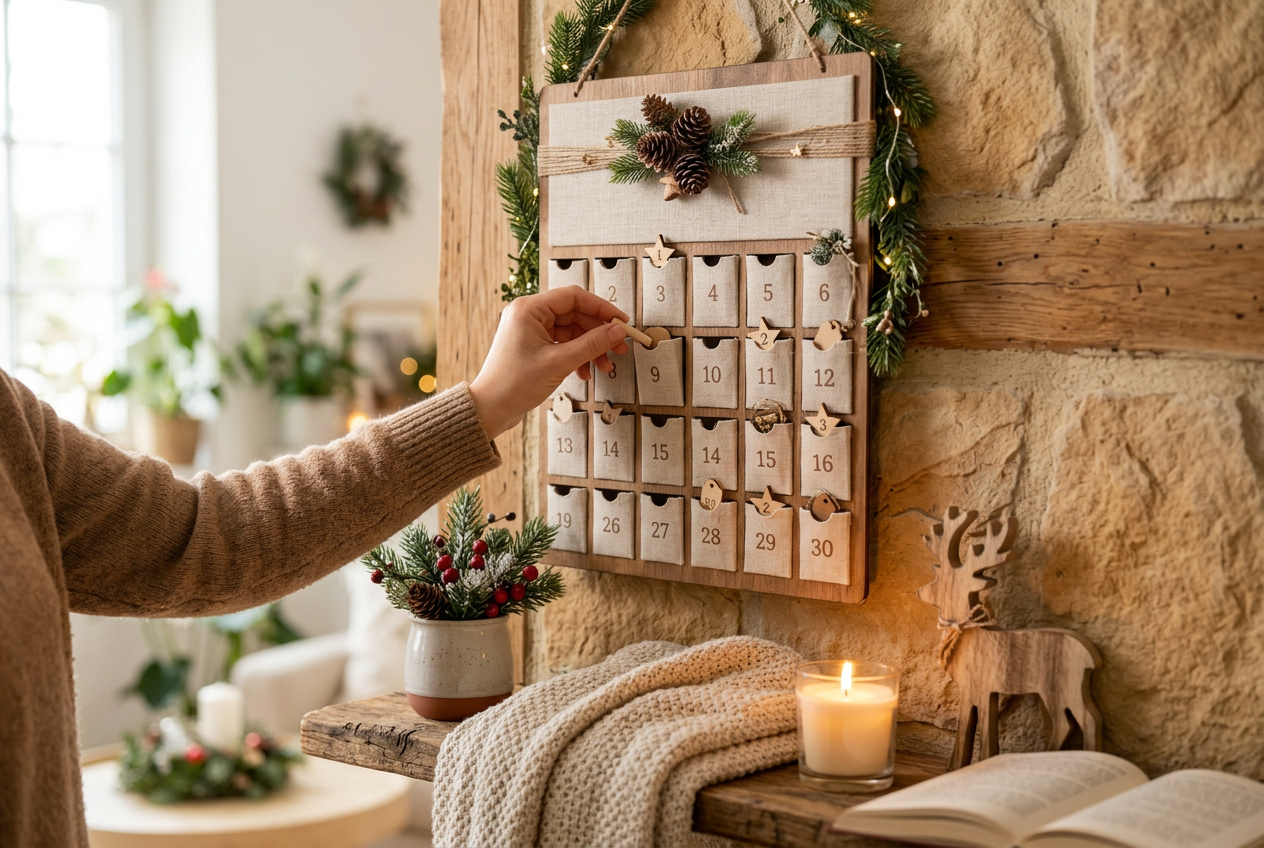
Every December, millions of children wake up to peel back a tiny door, revealing chocolate, a toy, or simply a numbered window marking one day closer to Christmas. But countdown calendars aren't just about holiday treats anymore. They've evolved into powerful tools for weddings, vacations, pregnancies, retirements, and virtually any moment worth anticipating.
Understanding the history and benefits of countdown calendars reveals something deeper about human psychology: we're wired to find joy in waiting, especially when that waiting has structure. The simple act of marking time transforms abstract future events into tangible, daily rituals. Whether you're a parent teaching your child about patience, a couple counting sleeps until their wedding day, or someone tracking months until retirement, these calendars tap into something fundamental about how we experience time and anticipation.
This guide explores where countdown traditions began, why they work so powerfully on our brains, and how you can create your own for any occasion worth celebrating.
Origins and Evolution of the Countdown Tradition
Religious Roots and the First Advent Calendars
The countdown calendar tradition traces back to 19th-century German Lutherans who marked the days leading to Christmas. Families would light candles, hang religious images, or draw chalk lines on doors to track the Advent season. The first printed Advent calendar appeared around 1851, featuring simple religious imagery and Bible verses for each day.
Gerhard Lang, often credited as the father of the modern Advent calendar, created his first commercial version in 1908. His mother had made him a cardboard calendar with 24 attached sweets, and he transformed that childhood memory into a business. Lang's calendars featured small doors that opened to reveal pictures, establishing the interactive format we recognize today.
The Industrial Shift to Mass-Produced Calendars
World War II temporarily halted calendar production due to cardboard rationing, but the 1950s brought explosive growth. Printing technology improvements made mass production affordable, and companies began adding chocolate behind those little doors. Cadbury introduced their first chocolate Advent calendar in 1958, fundamentally changing consumer expectations.
The format standardized quickly: 24 or 25 windows, festive imagery, and small treats. Production scaled globally, with manufacturers competing on creativity and premium offerings. By the 1980s, Advent calendars had become a household staple across Europe and North America.
Modern Diversification into Secular and Niche Markets
Today's countdown calendars extend far beyond Christmas chocolate. Beauty brands offer 24-day skincare samplers. LEGO builds entire themed sets piece by piece. Wine enthusiasts can uncork a different bottle each December evening. The format has proven remarkably adaptable.
Secular countdowns have exploded in popularity. Wedding countdown calendars help couples track the months, weeks, and days until they say "I do." Pregnancy calendars mark each week of development. Vacation countdowns build excitement for upcoming trips. The underlying principle remains unchanged: structured anticipation makes waiting enjoyable.
Psychological Benefits of Anticipation and Ritual
The Science of Delayed Gratification
Research consistently shows that anticipation can be as pleasurable as the event itself. A 2007 study in the Journal of Consumer Research found that people derive significant happiness from looking forward to experiences, sometimes more than from the experiences themselves. Countdown calendars capitalize on this phenomenon by extending the pleasure window.
The famous Stanford marshmallow experiments demonstrated that children who could delay gratification achieved better life outcomes. Countdown calendars provide a structured framework for this skill, teaching that waiting can be rewarding rather than frustrating. Each day marked represents a small victory in patience.
Reducing Anxiety Through Structured Milestones
Unstructured waiting creates anxiety. When you don't know how long something will take or can't visualize progress, your brain fills that void with worry. Countdown calendars transform vague uncertainty into concrete, manageable chunks. Suddenly, "the wedding is coming up" becomes "47 days until the wedding."
This structure proves particularly valuable for children who struggle with abstract time concepts. A five-year-old can't comprehend "three weeks until vacation," but they absolutely understand tearing off one paper chain link each morning. The physical act of marking time provides comfort and control.
Dopamine Response and the Joy of Small Rewards
Your brain releases dopamine not just when you receive a reward, but when you anticipate one. Countdown calendars create repeated micro-anticipation cycles: each day brings a small revelation, whether it's chocolate, a motivational quote, or simply the satisfaction of crossing off another square.
This daily dopamine hit explains why countdown calendars feel so compelling. You're not just waiting for one big event; you're experiencing 30, 60, or 100 small moments of pleasure along the way. The journey becomes part of the destination.
Practical Applications in Productivity and Education
Visualizing Time Management for Major Projects
Countdown calendars aren't just for holidays and celebrations. Project managers use them to track deadlines, breaking intimidating timelines into daily progress markers. When you can see exactly how many working days remain before a product launch, you make better decisions about resource allocation.
Students benefit enormously from exam countdown calendars. Watching the number shrink creates urgency without panic, especially when combined with study milestones. A calendar showing "28 days until finals" with weekly review goals transforms overwhelming preparation into achievable daily tasks. Tools like free online countdown creators let students share these timers with study groups, creating collective accountability.
Teaching Children the Concept of Linear Time
Young children live in the eternal present. "Tomorrow" and "next week" feel equally abstract and impossibly distant. Physical countdown calendars provide concrete representations of time passing, helping children develop temporal understanding.
Teachers use classroom countdown calendars for field trips, holidays, and end-of-year celebrations. The daily ritual of updating the count teaches sequencing, number recognition, and patience simultaneously. Parents report that children who use countdown calendars ask "how many more days?" less frequently because they can check for themselves.
Celebrating Life Events with Specialized Countdowns
Wedding and Pregnancy Journey Trackers
Wedding countdowns have become essential planning tools. Beyond building excitement, they help couples pace their preparation tasks. A countdown calendar showing "90 days until the wedding" paired with milestone reminders ensures nothing falls through the cracks during hectic planning periods.
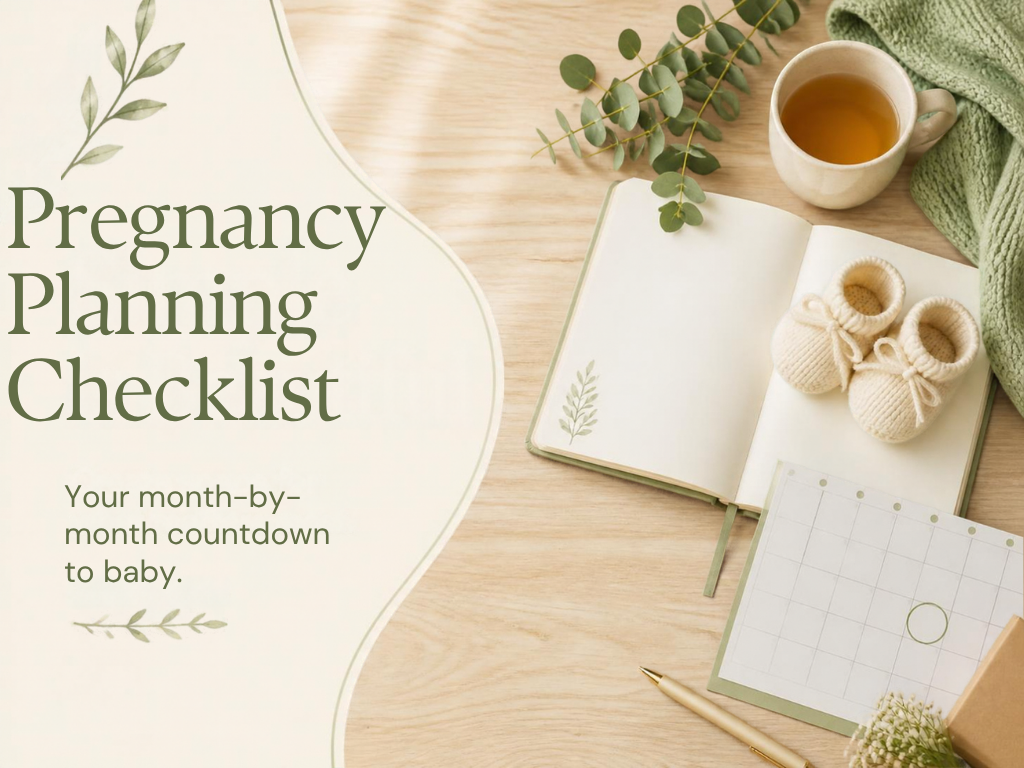
Pregnancy countdowns serve a different but equally important function. Tracking 40 weeks of development helps expectant parents prepare emotionally and practically. Many couples create shareable countdown links to keep family and friends updated on their journey. Services offering customizable countdown themes let parents match their nursery colors or chosen aesthetic.
Vacation and Retirement Countdowns
Vacation anticipation research shows that the weeks before a trip often generate more happiness than the trip itself. A visible countdown calendar amplifies this effect, turning routine workdays into "only 12 more days until the beach" celebrations. Families with children find that shared countdown rituals reduce the endless "are we there yet?" questions by giving kids ownership over tracking progress.
Retirement countdowns carry profound psychological weight. After decades of work, watching those final months tick down provides closure and builds excitement for the next chapter. Many retirees report that their countdown calendar became a treasured keepsake, representing years of anticipation finally realized.
The Future of Countdowns in the Digital Age
Interactive Apps and Gamified Experiences
Digital countdown tools have transformed what's possible. Modern apps offer animated displays, notification reminders, and social sharing features that physical calendars can't match. You can embed countdown widgets directly on websites, letting event organizers build collective excitement with their audiences.
Gamification adds another dimension. Some countdown apps award badges for consistent check-ins or unlock special content as milestones approach. Others integrate with smart home devices, changing lighting colors as events draw near. The core psychology remains unchanged, but the delivery mechanisms keep evolving.
Sustainability and the Rise of Reusable Wooden Calendars
Environmental consciousness has sparked renewed interest in permanent countdown solutions. Handcrafted wooden calendars with moveable number blocks serve families for decades. Magnetic countdown boards can be reconfigured for any occasion, eliminating single-use waste.
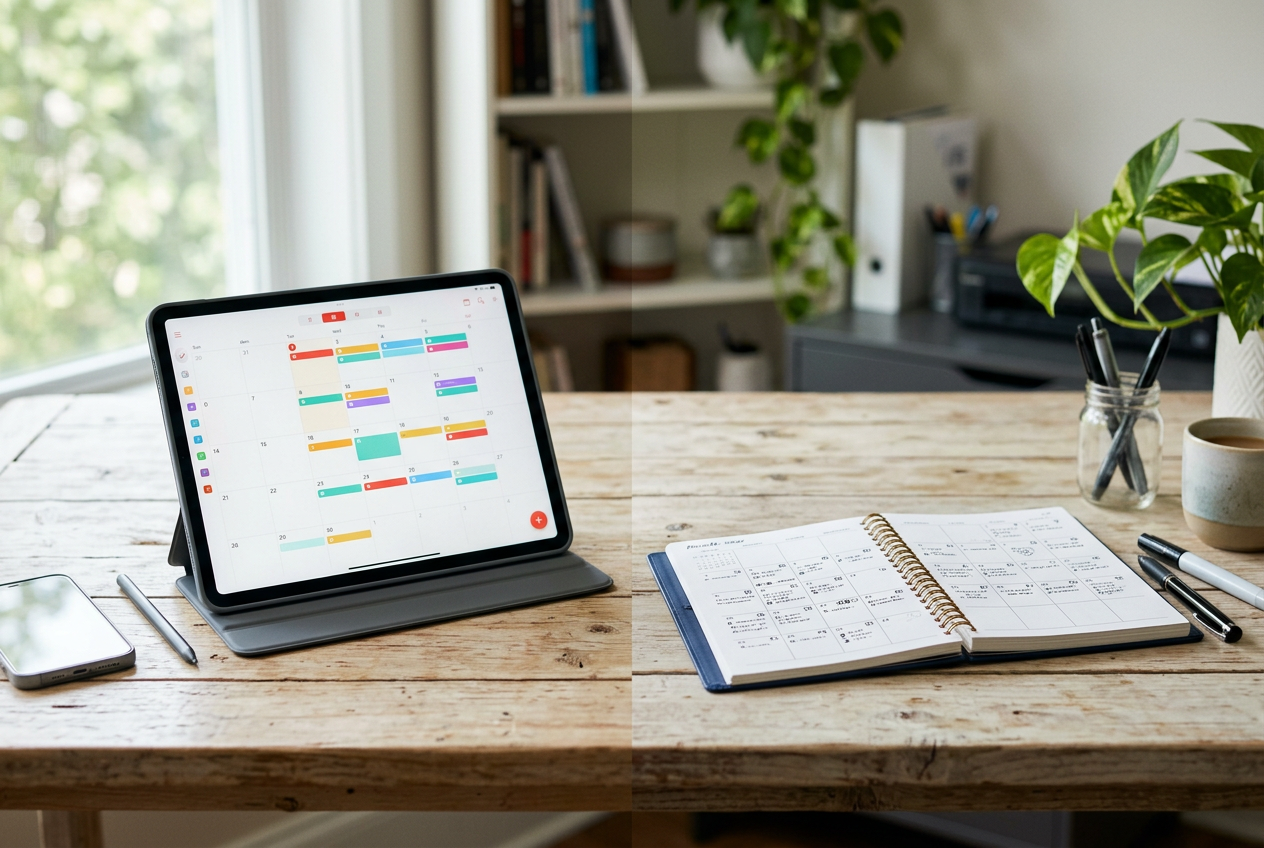
This sustainability trend intersects beautifully with digital options. A family might use a reusable physical calendar for daily rituals while maintaining a shareable online countdown for distant relatives. The hybrid approach honors tradition while embracing modern connectivity. Free countdown tools that require no sign-up make this combination accessible to everyone.
Making Countdowns Part of Your Life
The countdown calendar has traveled from 19th-century German households to smartphone screens worldwide, but its essential magic remains unchanged. Structured anticipation transforms waiting from burden to pleasure, teaches patience to children and adults alike, and creates shared rituals that strengthen relationships.
Whether you're marking days until a wedding, weeks until vacation, or months until retirement, the simple act of tracking time makes that time more meaningful. Consider creating a countdown for your next significant event. The anticipation you build might just become as memorable as the moment itself.
Frequently Asked Questions
When was the first Advent calendar created?
Why do countdown calendars make waiting feel easier?
What are countdown calendars used for besides Christmas?
How do countdown calendars help children learn patience?
When did chocolate Advent calendars become popular?
You Might Also Like

Ready to Start Your Countdown?
Create a beautiful countdown timer for any event in seconds.
Create Your CountdownEnjoy articles like this? Get more in your inbox 📬
Tips, ideas & fun content about countdowns — delivered free, once a week.
No spam. Unsubscribe anytime.